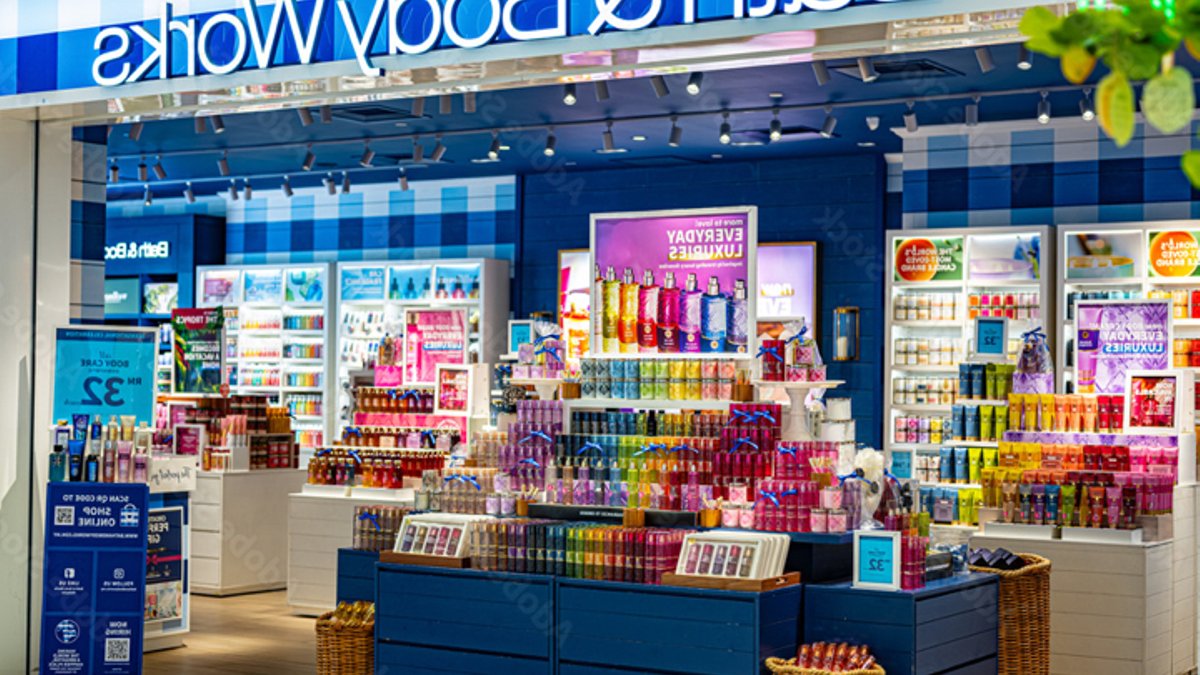
Bath & Body Works disclosed that the recent quarterly performance prompted a recalibration of its outlook for the current fiscal year, with the company trimming the range of expected net sales as it handles a modest contraction in consumer spending. The quarter’s top‑line figures reflected a dip when measured against the same period a year earlier, yet the retailer highlighted that the decline was partially offset by the continued rollout of digital enhancements that have been a focal point of its investment agenda over the past twelve months.
Direct‑to‑consumer channels, in particular, have benefited from a series of platform upgrades designed to streamline the online shopping journey, improve load times, and integrate personalized product recommendations. Management indicated that these refinements are beginning to bear fruit, helping to sustain sales volumes that would otherwise have been more sharply impacted by broader market headwinds.
In spite of the overall downward pressure, the firm expressed optimism because the quarter’s results surpassed the consensus forecasts compiled by analysts, suggesting that the turnaround plan is gaining traction. The earnings per diluted share target for the year has been nudged upward, moving beyond the level recorded in the previous period and signaling confidence that profitability can be reinforced even as revenue growth remains modest.
CEO Daniel Heaf emphasized that the second‑quarter outcomes exceeded internal benchmarks for both sales and earnings per share, showing that the “Consumer First Formula” is delivering tangible benefits. He pointed to a sequential uplift in the body‑care segment, where product extensions and refreshed scent portfolios have resonated with shoppers, contributing to incremental volume gains.
Heaf also noted that the average unit retail price on newly launched items has risen, reflecting the brand’s ability to command a premium on innovation. This pricing strength is complemented by heightened brand discoverability, achieved through strategic visual merchandising and targeted digital advertising that make the product line more visible across multiple touchpoints.
Momentum in marketplace partnerships was highlighted as another pillar of the strategy, with collaborations on major e‑commerce platforms expanding the brand’s reach beyond its own storefronts. These alliances have opened additional avenues for consumers to encounter the brand, thereby supporting sales that are less dependent on traditional brick‑and‑mortar traffic.
Related: Quorum Quenching Redefines Acne Cosmetic Testing
A particularly noteworthy development, according to Heaf, is the emergence of direct net‑sales growth for the first time since the early 2020s. This reversal marks a milestone in the company’s effort to rebuild its core customer proposition, a process that has involved investing in a more seamless and engaging shopping experience across both physical and digital areas.
Looking ahead, the outlook for the third quarter remains cautious. The company anticipates a more challenging environment, projecting that net sales will move lower within a defined range. Nevertheless, Heaf reiterated that the early signs of progress provide a solid foundation for the broader transformation agenda.
Heaf described the ongoing transformation as being in its infancy, with a clear priority placed on reshaping the business trajectory. He outlined a roadmap that focuses on strengthening product development pipelines, deepening brand equity, and expanding marketplace capabilities, all aimed at positioning the retailer for a more durable growth phase beginning in the subsequent year.
Industry context reinforces the mixed nature of the current beauty and personal‑care setting. While Bath & Body Works contends with a softer sales environment, peers such as Coty have reported that their latest quarter was affected by weakened consumer demand, whereas luxury conglomerate LVMH experienced buoyant performance driven by flagship labels. Mid‑tier players like Puig recorded modest revenue lifts thanks to fragrance demand, and fast‑growing brands such as e.l.f. Beauty posted dramatic sales acceleration linked to direct‑to‑consumer initiatives.
These divergent results across the sector illustrate that consumer sentiment is not uniform, and they show the importance of the strategic levers Bath & Body Works is deploying. By reinforcing digital capabilities, leveraging marketplace collaborations, and delivering innovative, higher‑priced product offerings, the company aims to carve out a resilient position that can weather short‑term fluctuations while laying the groundwork for sustained expansion in the years to come.


